This page is not intended to criticise or “correct” the ITV drama Nolly. We created it to separate the historical record from the dramatic fiction.
As with any television adaptation of real events and real people, a considerable amount of creative licence is involved. Characters may be combined or invented, events rearranged, and dialogue created or altered to enhance the drama.
In the main, writer Russell T Davies and Quay Street Productions reflected Noele’s life and work accurately and beautifully. Nolly is, ultimately, a fitting love letter to Noele Gordon and her soap opera.
However, for reference, here is the reality behind some of the scenes where the drama moved into complete fiction.
10,000 Fans: A Surprise?
In the drama, Noele and producer Jack Barton clash over the 10,000 fans descending on Birmingham Cathedral. Jack does not want the crowds shown in the television footage, while Noele believes that showing them can only be a good thing.
This confrontation is entirely fictional. It was created to illustrate the very real clashes between Noele and Jack, but the wedding crowds themselves were not the subject of one of their disagreements.
In 1974, ATV actively promoted the February recording of what it called the “TV wedding of the decade”, inviting viewers to attend through print advertising and news show ATV Today. ATV wanted to fill the cathedral and its grounds with fans and had planned for a large attendance, including a police escort for the wedding car and crowd-control measures.
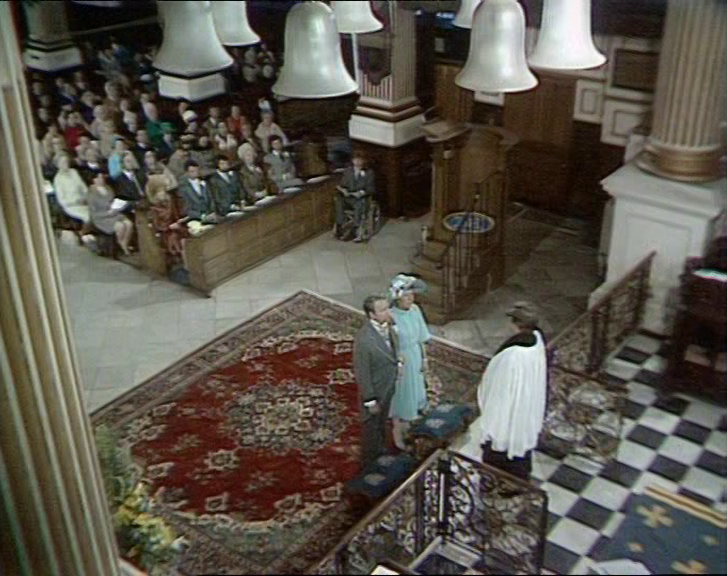
It was a huge and deliberate publicity stunt, designed to demonstrate just how popular Crossroads was with the public — and it was certainly not the first time ATV had used the programme’s enormous following in this way.
There are scenes which are now largely forgotten, apart from surviving photographs in newspaper reports. In 1974, an episode filmed in Nottingham city centre saw Noele Gordon, Roger Tonge and Christopher Douglas, together with thousands of spectators, driving through the city’s square in Harriet, the vintage car used by the motel.
There was no storyline reason for the appearance. For ATV, however, any opportunity to demonstrate the enormous public draw of Crossroads represented valuable publicity.
The Rehearsal Room Speech
Noele actually revealed her departure from Crossroads in an exclusive interview with the News of the World.
The speech to television reporters from ITN National News (ITV) and ATV Today (the Midlands regional news programme), together with journalists from several radio stations, including LBC, and newspapers, therefore was not the revelation it appears to be in Nolly. It took place the day after the tabloid had already published the story.
There have been suggestions that “lost footage” existed showing Noele being angry and forthright in a manner similar to the scene in Nolly. However, both ITN’s surviving recording and ATV Today’s footage contain very similar material, with relatively few edits.
In the ATV Today footage, Noele is also seen chatting to the press after the formal interview has ended. She is professional, tactful and courteous.
The dramatic version is therefore a significant transformation, designed to convey the point that Noele was, in many ways, the heart of ATV.
Some viewers have criticised the scene because it can make Nolly appear rather self-indulgent or unpleasant. This was probably not the intention of the production team, but, in retrospect, it might have been more effective for another person to make explicit just how important Noele was to ATV.
Coronation Street: Did Noele Really Dislike It?
There are a couple of digs at Coronation Street in in Nolly, ITV’s twice-weekly serial at the time.
In one scene, Noele rushes to switch off an episode as it is about to begin. Later, at an awards ceremony, she gives the cast a discreet V sign.
In reality, Noele and, particularly, Coronation Street star Pat Phoenix got on well.
Newspaper reports from the period record that the two women first met at ITV’s 21st-anniversary celebrations and got on so well that they became showbusiness friends. Both women subsequently praised each other’s programmes on chat shows.
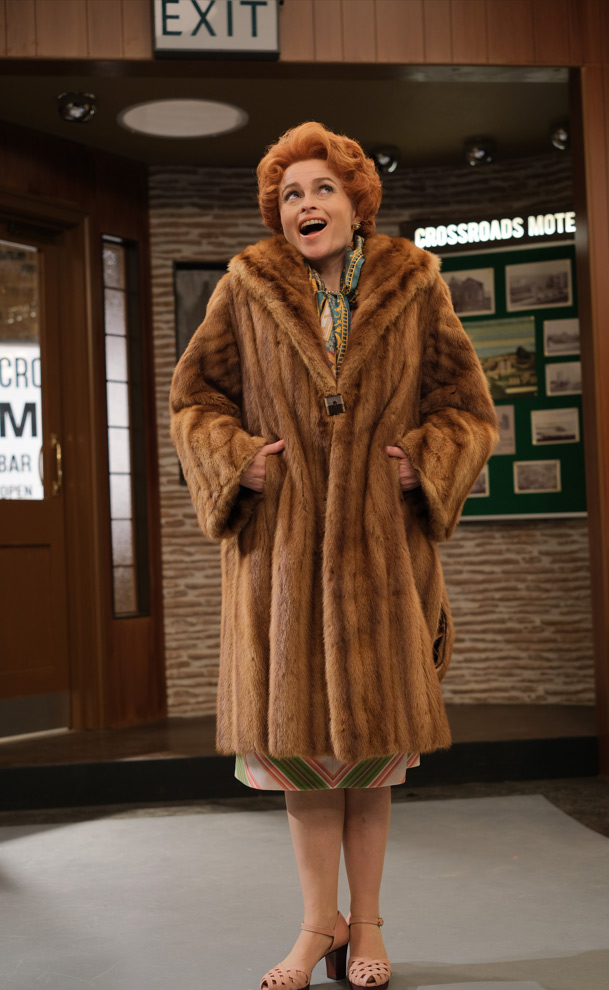
Pat remained a friend of Noele’s. She sent a poem to be read at Nolly’s memorial service in 1985, dedicating it “to her friend”.
Noele did make comparisons with Corrie in her autobiography. These comments, however, were more concerned with highlighting what she regarded as ATV’s cheapness and its treatment of Crossroads, rather than attacking the Granada Television production itself.
Indeed, there was correspondence between the producers of the two programmes, and cast members regularly travelled between the two productions, with actors appearing either in Weatherfield or Kings Oak. These included Johnny Briggs, Stephen Hancock, Veronica Doran and Bryan Mosley.
Swearing and Pamela
While Noele may have used the occasional choice word in rehearsals, at home and among close friends, she did not swear in front of fans.
Ever.
The scene in Nolly in which she says, “I’ve just passed Pamela at the bus stop”, is based on a genuine story told by Pamela Greenall, who played Ruth during the 1960s and early 1970s.
The real incident involved Noele driving past Pamela as she waited for a bus in her Rolls-Royce. Noele subsequently told director Alan Coleman that she expected Pamela would be a little late.
The drama changes the identity of Pamela. In Nolly, she is Pamela Vazey, who joined the Crossroads cast in 1979.
Ronald Allen and Sue Lloyd
The drama portrays Ronald Allen and Sue Lloyd as far from the kind and generous people they really were.
In reality, Noele, Ronnie and Sue were great friends. That friendship is largely absent from the drama, where Sue is portrayed as rather bitchy and Ronnie as indifferent.
This is understandable from a dramatic point of view. A television drama needs a mixture of sympathetic and unsympathetic personalities to create conflict and move the story forward.
The historical reality, however, was considerably warmer.
Rewriting the Scripts
One of the major scenes in Nolly shows Noele editing scripts during a rehearsal.
This is one area where the surviving archive provides particularly useful evidence.
All 4,510 Crossroads scripts survive in the archive, and we have examined the first fifteen years of material over the past several years. We cannot find evidence of Noele Gordon meddling with the scripts.
None.
All script edits — whether lines were changed or scenes altered — are initialled by the producer.
The production and writing-meeting notes also survive. Changes are discussed there, and most are made during meetings involving the writers, directors and producer.
Noele did not attend these meetings.
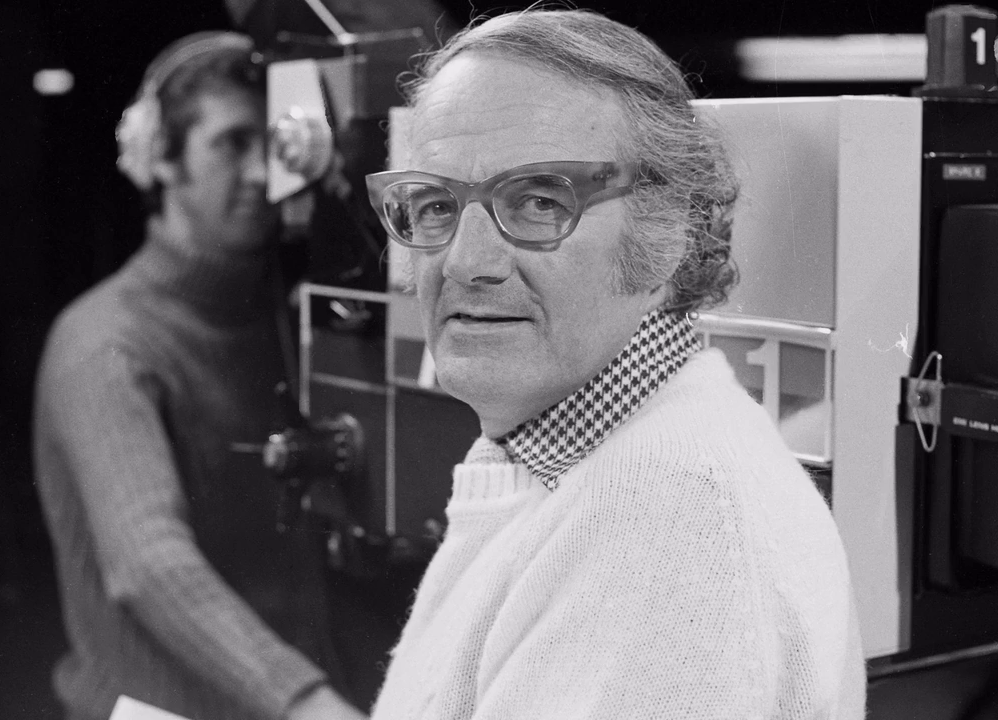
Her involvement, and the source of some of her disagreements with Jack Barton, was more often connected with the technical production: things not reaching the standard Noele expected on the day of recording, for example.
Ronald Allen recalled that Noele did not get her way when it came to plots. He remembered protesting when a scene between his character, David, and one of his many love interests was due to take place in “Meg’s sitting room”, complete with a romantic scene on the sofa.
According to Ronald, Noele was unhappy that it was to take place on “her sofa”. But it did anyway.
The scene in Nolly therefore takes a real aspect of Noele’s dedication to the programme — her determination that it should be as good as possible — and turns it into a much more dramatic example of her involvement.
Whatever Happened to Baby Jane? — The Stage Revival
In Nolly, a throwaway line suggests that Noele could invent a story about starring in a theatrical revival of Whatever Happened to Baby Jane? in order to soften the public impact of being sacked from Crossroads.
The proposed production, however, was not invented for the drama.
It was a genuine planned theatrical venture in 1984. The Noele Gordon Archive holds Noele’s copy of the script for the proposed production, which was to star Noele alongside the blonde bombshell Diana Dors.
The Jack Barton Confrontation
The drama comes remarkably close to the truth about why Noele Gordon left Crossroads.
It is almost right — and yet, in one important respect, very far from the reality.
In Nolly, Noele discovers details of her dismissal from three years earlier and confronts producer Jack Barton during a meeting about her two-episode return to Crossroads for a wedding storyline.
In reality, Noele never discovered the extent of Jack Barton’s involvement in her removal from the soap. Although in one newspaper later she did air her suspicions, but that’s all they ever remained during her lifetime.
The drama shows Noele listing complaints Jack had made to ATV’s Head of Programmes, Charles Denton, after which Denton supposedly decided to dismiss her.
The reality was more complicated.
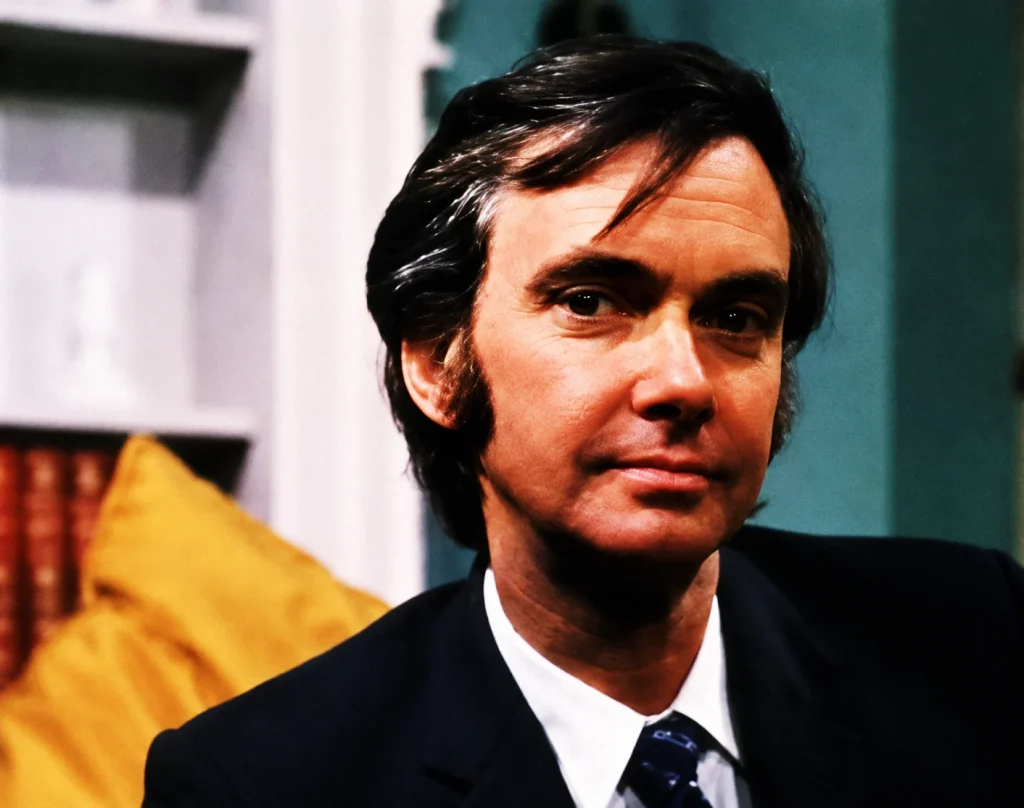
In 1979, Charles Denton had attempted to get Crossroads back to five episodes a week. The request was rejected by the IBA Television Regulator, which had considerably more power at the time. The programme was instead cut to three episodes a week.
“Distressingly popular,” declared IBA Chairwoman Lady Plowden.
Denton had never previously interfered with casting decisions on Crossroads. Significantly, he was not asked for approval when Noele was brought back in 1983.
As it had always been, the casting decision ultimately belonged to the producer.
To understand what happened, it is important to look at the relationship between Reg Watson and Noele Gordon.
For a decade on Crossroads, and for nine years before that on various ATV programmes for London and the Midlands as well as network ITV programmes, Reg and Noele had effectively worked as a team: producer and star.
Reg allowed Noele considerable input into programmes and encouraged her creative ideas. The arrangement worked.
Jack Barton, however, did not operate in the same way.
When he took over Crossroads, he wanted to make the decisions himself. This led to repeated clashes between the two.
Eventually, in 1981, there was “one too many”.
Jack arranged a meeting with Charles Denton and declared: “I think it’s time Noele went.”
At Jack’s request, Noele’s departure was therefore arranged.
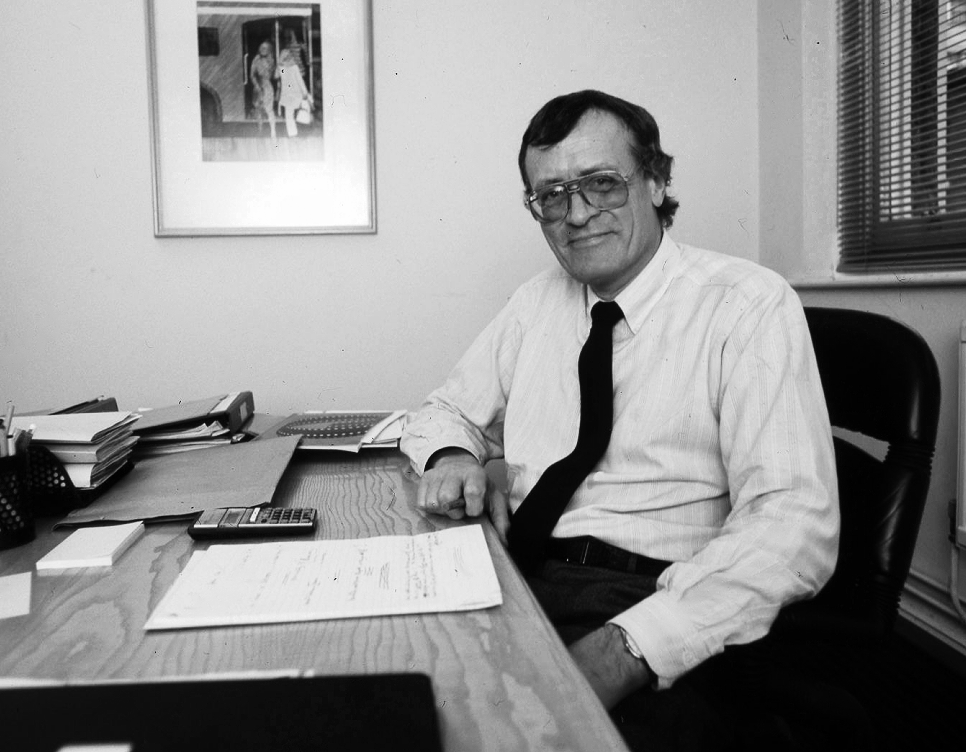
The decision had nothing to do with her age, “men at the top”, or the forthcoming change to Central Television. The Head of Drama at ATV was a woman, Margaret Matheson.
Russell T Davies did, however, capture an important element of the story: Noele was a strong woman working in a male-dominated industry, and one man in particular — Jack Barton — did not like having her interfere in what he regarded as “his show”.
The drama was also accurate in depicting Noele’s age as becoming an issue when she and Larry Grayson tried to secure new television work.
The pair had ideas for a variety-style programme together, but no television station was interested. Alternative and younger forms of comedy were becoming increasingly popular at the time.
Welcomed Back by Jack Barton?
In the drama, Jack appears to welcome Noele Gordon back to Crossroads when she records scenes in Venice.
Contemporary interviews tell a different story.
Jack made it clear that there was no permanent place for Noele in Crossroads. Meg had been brought back because a mother would naturally attend her daughter’s wedding.
In an interview on BBC Radio West Midlands, Jack, in Noele’s presence, noted that the programme was doing perfectly well without her.
The decision to film Meg’s return in Venice was primarily intended to prevent the press from revealing Noele’s return before transmission.
The surprise was to be that Meg would appear during Jill and Adam’s honeymoon.
Once the scenes had been filmed, however, that was it.
There was no plan for Meg to remain or ever return again.
Theatre Success?
Thanks to Bob Oakley for some of this information.
The drama shows Noele performing Gypsy in the UK and then focuses on the disappointment when the production was unable to transfer to the West End.
In reality, there were several successful theatre productions for Noele during the early 1980s, including a 10-week West End run of Call Me Madam at the Victoria Palace.
There was a specific reason why Gypsy did not transfer to the West End, despite an agreement for the production to play at the Adelphi Theatre.
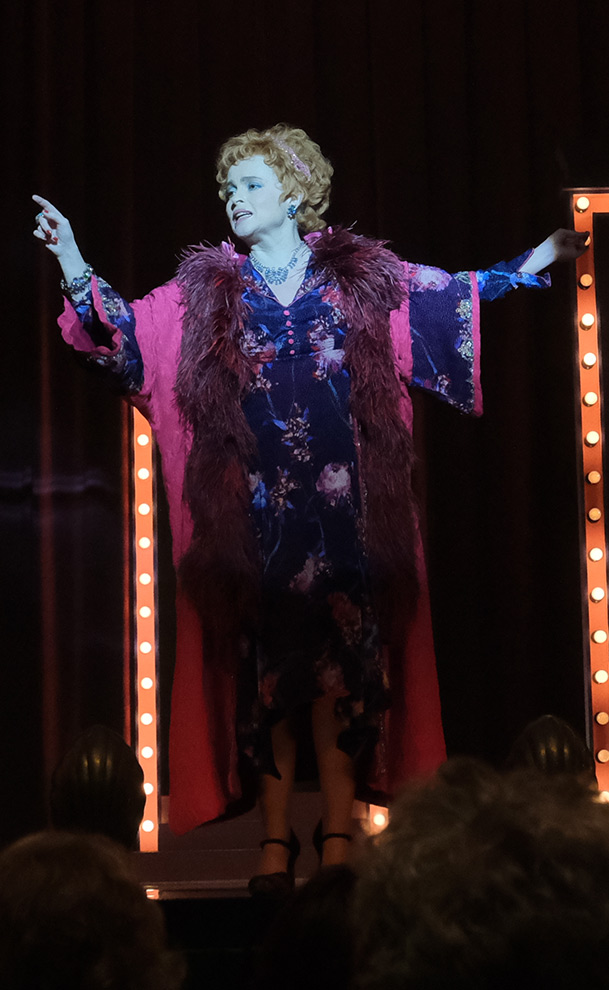
The rights owners had signed a deal for a big-screen version that was intended to star Barbra Streisand. The film was not eventually made until 1993, when Bette Midler took the leading role, meaning the restriction ultimately proved to be a pointless exercise.
At around the same time, negotiations were also taking place for a Broadway revival. That production did not materialise until 1989.
There was, however, an unexpected benefit to Gypsy closing.
Most of the cast were given the opportunity to tour in The Boy Friend in the Middle and Far East, as briefly shown in the drama.
For Noele, this provided the opportunity to revisit Bahrain and search for the house she had once visited approximately twenty years earlier, during her Lunch Box days, when it had been owned by her aunt and uncle.
Noele’s Grand Return
Noele Gordon was due to return to Crossroads.
She had been sent scripts in 1984, following the departure of Jack Barton and the arrival of Philip Bowman, who had been brought in to revive the programme’s flagging image and fortunes.
Interestingly, Bowman did not need permission from Central Television or its executives to bring Noele back as a semi-regular character.
Her new contract allowed her to come and go. By this stage, her revived theatre career was proving successful with audiences, and Noele did not want to commit herself to Crossroads full-time again.
Sadly, Noele became too ill to return.
Her planned comeback never happened.
The End of Noele’s Life
Thanks to John Kavyo for some of this information.
For dramatic reasons, the final part of Noele’s life is skewed in Nolly to make Tony Adams appear to have been her principal friend and companion during her final years.
In reality, Noele’s old friend Edna Lancashire nursed her at Ross-on-Wye until Noele became too ill to remain at home without further care.
Noele’s dear friend and neighbour, Paul Greenfield — who later became curator of her archive — also cared for her.
Tony remained in contact with Noele and visited her, of course. However, he had moved out of the house next door to Noele some time earlier, and Paul had subsequently moved into it.
Noele also had her own housekeeper and chauffeur, Ken Felton, who remained an important part of her life.
Footnotes
The Motel
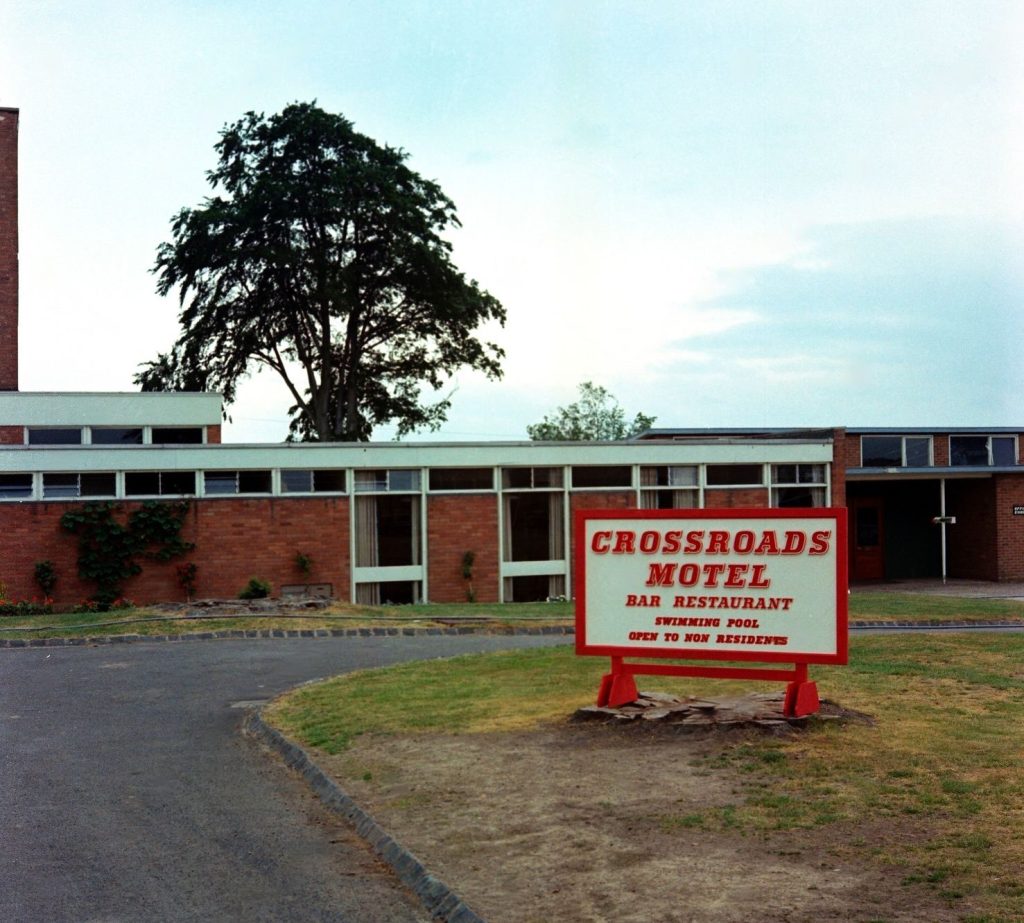
The dialogue in Nolly states that the Crossroads Motel had only 16 chalets.
In reality, it had closer to 30 by the later years the drama focuses on. It began with six in 1964 and expanded over the years, notably in 1967, 1973 and 1976.
The drama also suggests that many viewers had no idea what a motel was, with the suggestion that some believed “motel” was simply a spelling mistake.
This is not particularly accurate.
There were hundreds of motels in the UK from the 1940s onwards. Travelodge itself began in the UK as a motel chain. And before Crossroads launched, there was arguably the most famous motel in the world on the big screen: the Bates Motel in Alfred Hitchcock’s Psycho.
Motels subsequently became rather unfashionable in Britain and by the late 1970s were not concidered luxury. They were also generally regarded as less glamorous than their American counterparts and gradually acquired a seedier image on both sides of the Atlantic.
Crossroads eventually changed the establishment from a motel to a hotel later in the storyline, reflecting this changing public perception.
My Life at Crossroads
A considerable amount of the information used in the drama appears to have come from the 1975 book My Life at Crossroads.
Unfortunately, the production does not appear to have realised that, because of Noele’s heavy workload on Crossroads, together with her stint alongside Larry Grayson in Grayson’s Scandals at the London Palladium, not one word of the book was actually written by Noele herself.
Noele did take part in several recorded audio interviews to provide information about her personal life and early years. However, much of the book was assembled from ATV production notes and related documents.
These included the Crossroads Bible, created in 1969, which recorded principal cast and character details, location information and other production material.
The book also contained an erroneous claim that 45 million people watched the soap each week.
This figure appears to have resulted from somebody adding together episode viewing figures rather than recognising that the same audience was watching the programme on successive nights.
At the time, the programme was attracting around 11 million viewers per episode. Whoever calculated the 45-million figure certainly wasn’t Nolly — she might not have been great at maths, but even she knew that the same viewers were watching the programme each night.
Unfortunately, the figure made its way into her book and has now found its way into the drama.
It does make for a funny scene, however, so perhaps the lack of fact-checking can be forgiven on that occasion.
Noele Gordon’s Disappearance from ITV History
It has been suggested that Noele Gordon was “forgotten” in the publicity surrounding Nolly.
The argument could be made that this was deliberate for many years under previous ITV management, particularly after Granada and Carlton merged around two decades ago.
Noele and Crossroads were, arguably, buried alongside the programme itself — despite the show’s enormous success.
Before that period, and well into the late 1990s, Noele and Crossroads were regularly included in anniversary programmes and retrospectives, including programmes such as HTV’s The TV Themes of ITV, Television South’s TV Weekly, Central’s Crossroads 30 Years On and 40 Years of ITV as well as Carlton’s Clive James On…
There was an important exception in 2012, when ITV remembered Noele in an unusual moment for that era and gave her half an hour of prime time in the documentary The Unforgettable Noele Gordon.
Why Noele and Crossroads Have Been Difficult to Revisit
Another reason Noele has slipped from the spotlight is the difficulty of repeating Crossroads.
Large numbers of episodes have been wiped or lost, particularly from the earlier years. Ironically, many of the episodes from what are regarded by the archive as the better Reg Watson years are among those most missing.
The programme only survives as a complete run from November 1981 onwards — after Meg has already left the motel — meaning that Noele’s era is particularly difficult to rescreen.
UK Gold did repeat Crossroads between 1996 and 2001, but the run began with episodes from late 1981.
As a result, the vast majority of Noele Gordon’s time as Meg Richardson/Mortimer remains difficult for modern audiences to see.
That makes the surviving archive material, contemporary footage and photographs all the more important in understanding the real Noele Gordon — the woman behind the drama.