
Proposals and Romances
Noele Gordon on Love, Marriage and Val Parnell
Throughout her career, millions of Noele Gordon’s fans wondered why she had never married. In her own words, it was certainly not because she had lacked opportunities.
“Millions of my fans have been wondering for years why I have never married. It’s not that I haven’t had any proposals. There was one broken engagement and four other serious proposals.”
Noele explained that she had turned down the four other serious proposals because they came while she was involved with the great love of her life — a romance which lasted for 20 years, but which, until she publicly discussed it, had existed largely as a rumour known only to a small circle of close friends.
She eventually decided that there was no longer any reason to conceal the relationship.
“It seems useless to deny or pretend anymore. There need no longer be any mystery about my not being married. I’ve done nothing of which I’m ashamed and I want my fans to know the truth.”
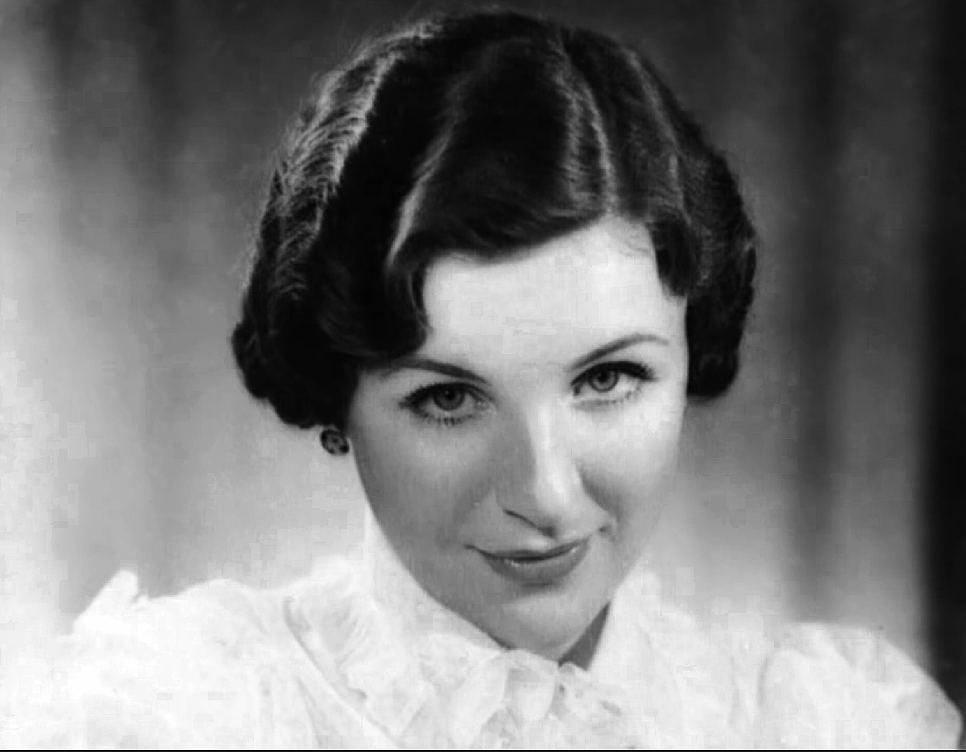
Her secret love was the man who helped launch her into commercial television and a new career in the mid-1950s: Val Parnell, ATV’s first chief executive, former boss of Lew Grade, star-maker at the London Palladium and renowned showman.
Noele was unequivocal about the nature of their relationship:
“My association with Val was plain and simple – we were lovers, although we never lived together. We were in love. This I can’t deny, nor would I wish to.”
She described Parnell as a true friend and a remarkable man, adding:
“I’m proud to have been head over heels in love with a most marvellous man, a true friend. I’m happy to have given him 20 years of my life. And if it was to happen all over again tomorrow I would do the same. I don’t need to make any excuses.”
Before telling the story of Val, however, Noele also recalled the men who had proposed to her.
The Suitors Who Never Became Husbands
Sumner Walters
One of Noele’s suitors was Sumner Walters, a New York stockbroker who, according to Noele, fell madly in love with her after meeting her at a cocktail party.
He wanted her to marry him and move to Long Island. A millionaire, he expected Noele to give up her career. She said that she would not necessarily have objected to giving up showbusiness, but she felt he wanted to change her rather than accept her as she was.
She therefore turned him down.
Ben
Another suitor was a Hollywood agent whose surname Noele said she had forgotten, although she always remembered him as Ben.
He proposed to her one summer evening on Broadway beneath the neon lights of Times Square.
After Noele returned to London, he telephoned her every night from California — a series of calls that, she joked, must have cost him thousands.
Every call was another proposal.
Noele never said yes.
“I just didn’t love him.”
Frederick Loewe
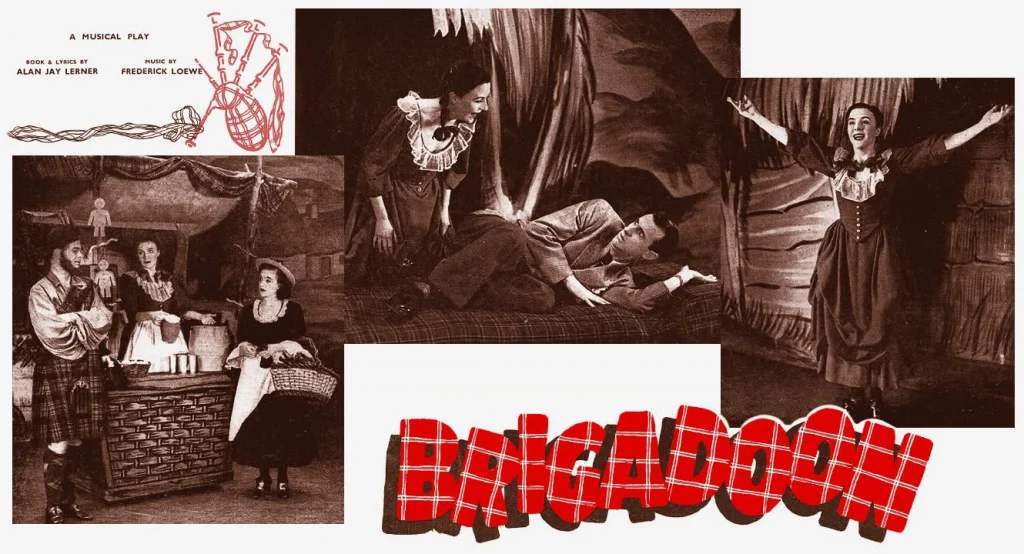
Then there was American composer Frederick Loewe.
After Noele auditioned for Brigadoon, singing several songs on stage, Loewe stood up from his seat in the stalls and asked:
“Will you marry me?”
Noele asked whether he was married.
“Yes, but I’m not working at it.”
When she asked why he wanted to marry her, Loewe replied:
“So that you will always be there to sing my songs.”
Noele’s response was characteristically practical:
“In that case, you’d better see my agents.”
John Robertson Dunn Crichton
Although Val Parnell became the great love of Noele’s adult life, the only serious marriage proposal she accepted came before their relationship began.
Noele was just 18 when she fell in love with 25-year-old Army Captain John Robertson Dunn Crichton, whom she had met at a party while touring in Black Velvet.
Crichton made a great fuss of Noele and visited her whenever he could. While the production was playing in Liverpool, Noele was staying at the Adelphi Hotel.
One night, following the performance, an air raid sent Noele, Crichton and other hotel guests and staff into the cellar.
As they crouched together in semi-darkness, Crichton held Noele’s hand. She initially thought he was simply trying to calm her fears. Instead, he told her how much he loved her.
“Please Noele,” he pleaded. “Forget about the war – forget about the bombs … marry me.”
At first, Noele thought he had been swept up in the romance of the moment. But when she looked at him, she realised he was serious.
“If you really want me then, of course, I will,” she replied.
He kissed her, and it was only then that Noele realised she had accepted his proposal.
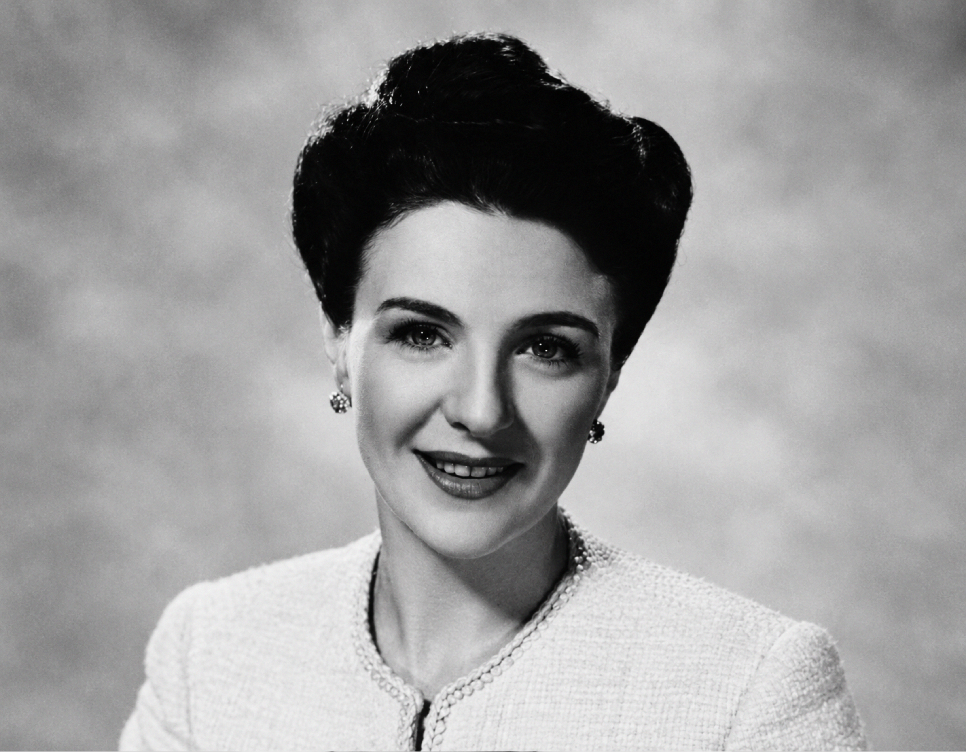
Before joining the Army, Crichton had been studying to become a solicitor. He came from a family of lawyers and appeared to have a promising legal career ahead of him.
The young couple made plans to marry. Because it was wartime, they arranged a quiet register office ceremony. Invitations were sent, and their honeymoon was organised.
Then, just six days before the wedding, Noele received a letter from Crichton calling off the marriage. He gave no reason beyond saying that he simply could not go through with it.
Noele never saw him again.
She later learned through mutual friends that his family had put pressure on him not to marry an actress. They had nothing personally against Noele, but did not want their son to marry someone from the theatrical profession.
Crichton subsequently became a High Court Judge.
Val Parnell
Noele described Val Parnell as the great love of her life.
Parnell was one of the most influential figures in British entertainment. He helped bring stardom to performers including Norman Wisdom, Max Bygraves and Julie Andrews, and brought major American entertainers including Bob Hope, Jack Benny and Judy Garland to Britain.
He was the driving force behind many of the acts he booked, first through the London Palladium and Moss Empires circuit, and later through his Sunday Night at the London Palladium television shows.
Noele’s relationship with Parnell opened the door to an extraordinary social life. Their years together included parties, first nights and holidays on the French Riviera, as well as business trips to Madrid, Paris, Las Vegas, New York and Hollywood.
Yet Noele was keen to stress that she was never a kept woman. During some of their early years together, she said, she was actually earning more than Parnell.
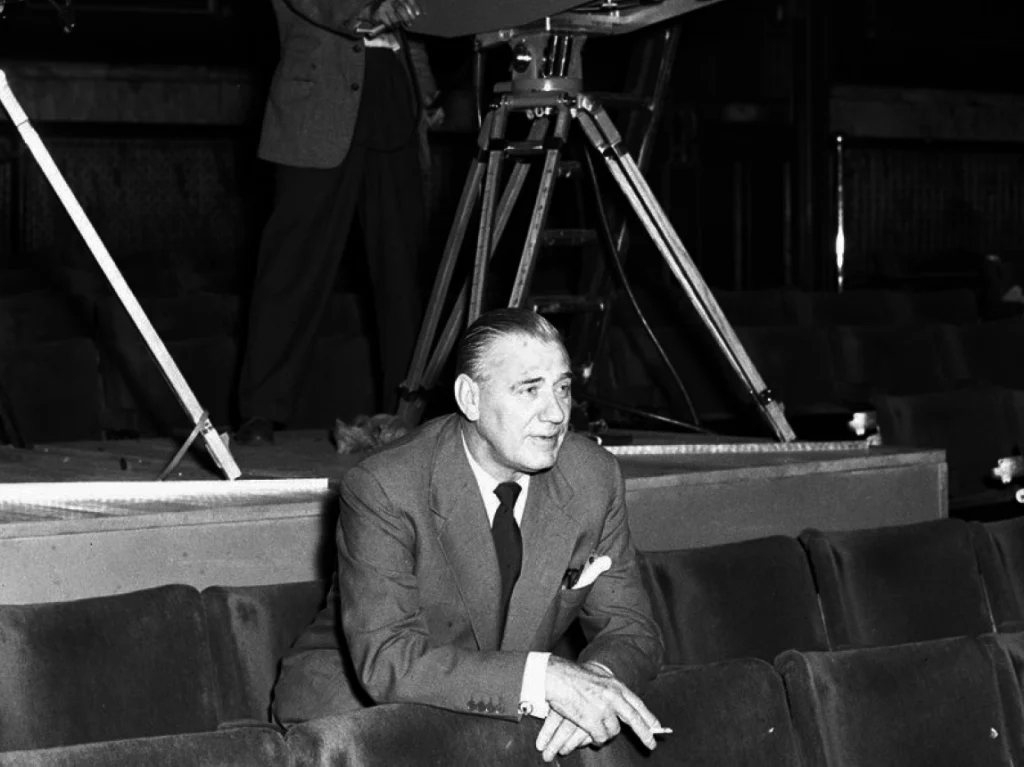
She remembered him as a larger-than-life character with enormous charm — a blond giant in his youth and still a tall, handsome man in middle age.
“Our years together were the happiest I’ve ever known.”
They had arguments, sometimes blazing ones, and Noele described Parnell as extremely jealous. Nevertheless, she did not regard their relationship as tempestuous. Instead, she remembered him as a man who introduced her to a life filled with fun and laughter.
The first meeting
Noele first encountered Val without knowing who he was.
She was touring in Black Velvet with comedian Ted Ray. While the company was playing at Henley, Stoke-on-Trent, Noele had decided to leave showbusiness and marry. One Saturday night she was leaving the theatre with her bags packed when Val saw her at the stage door and asked where she was going.
Noele told him that she was leaving showbusiness to get married.
He smiled.
“You’ll be back in six months. Marriage isn’t for you. You’re not the type.”
Noele left in a huff, dismissing the prediction of the stranger standing at the stage door.
His prediction came true.
Within months, Noele had been jilted and was back in showbusiness, returning to the Black Velvet tour.
Six months later, she was performing in the show she had attempted to leave. Years afterwards, she and Val would laugh about his stage-door prediction.
At the time, however, there had been nothing amusing about it.
From Black Velvet to the West End
After returning to the stage, Noele secured a role in the West End production of Let’s Face It, an American musical in which Danny Kaye had starred on Broadway.
Although still a teenager, she played a middle-aged woman in the London Hippodrome production.
Early in the run, a charity gala was held at Grosvenor House, to which the entire cast was invited.
It was there that Noele saw Val Parnell again.
Recognising the young woman who had walked away from showbusiness only months earlier, he approached her and asked her to dance.
“I see you’re back,” he told her. “I told you so.”
They spent most of the evening together.
Noele remembered him as slim and elegant and a wonderful dancer. For her, the evening was magical.
“I knew there was no holding back. All my girlish dreams had come true. This had to be my Great Romance.”
They drank champagne. Noele recalled looking into his eyes and knowing that she had met Mr Right.
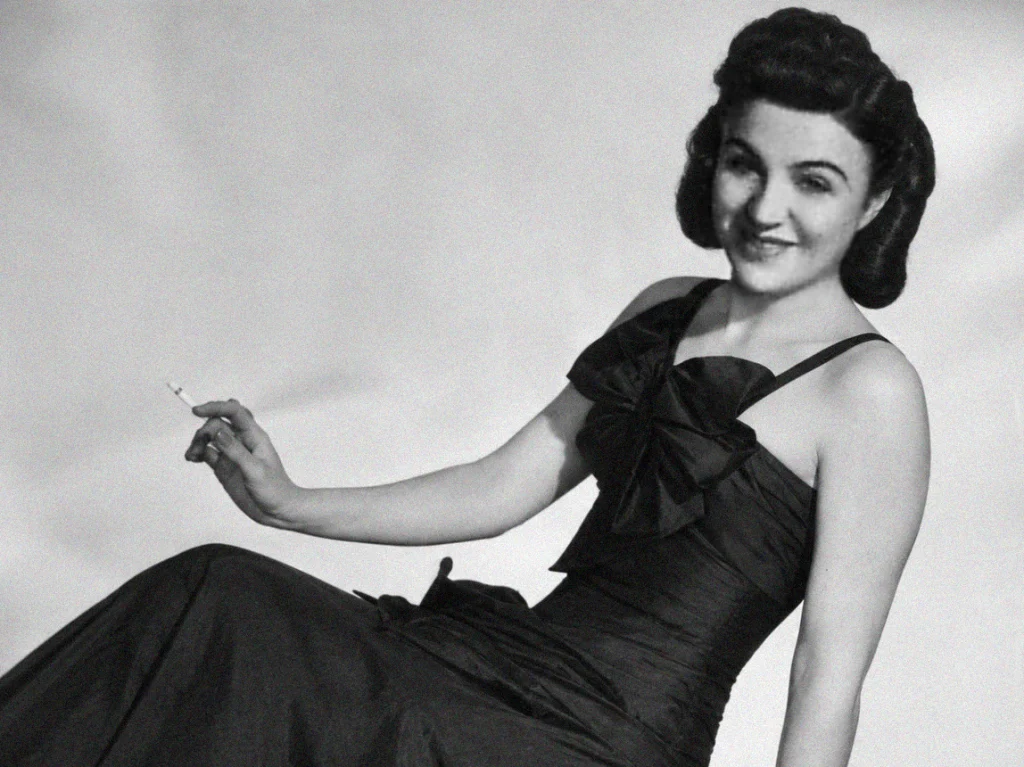
Nothing particularly dramatic was said. He did not flirt with her. He did not need to.
“But at that moment we both knew our love story had begun.”
At the end of the evening, Val told Noele that he had a home in Buckinghamshire and travelled to London each morning by train to Marylebone station.
Noele was living with her parents in a flat near Bryanston Square, and Val asked whether he could call in for coffee on his way to work the following morning.
She agreed.
The next morning, shortly after 10 o’clock, Val arrived at the door carrying vegetables from his country garden — cabbages and lettuces.
Noele introduced him to her mother, who was affectionately known as Jockey.
Her mother liked Val immediately and, according to Noele, eventually adored him almost as much as she did.
Twenty Years Together
Soon Noele and Val were meeting every day for lunch, often at the old Trocadero in Shaftesbury Avenue, close to Val’s offices at Cranbourne Mansions in Leicester Square.
Noele recalled that she was rather prim and virginal at the time and that it was several months before she accepted Val’s proposals that they become lovers in the full sense of the word.
The more time she spent with him, the more deeply she fell in love.
She remembered him as entertaining, thoughtful and considerate. He made her laugh, was tremendous fun and was, in her words, the most attractive man she had ever met.
As well as his country home, Val had a London flat at Westminster Gardens. One evening, after dinner, they returned there and, over a glass of champagne, their love affair began.
Their relationship was always discreet.
For 20 years they never spent the night together. They even travelled on separate aeroplanes.
Noele did not want to damage Val’s position as an international showbusiness executive or interfere with his private life with his wife, Helen. Val, in turn, did not want to compromise Noele.
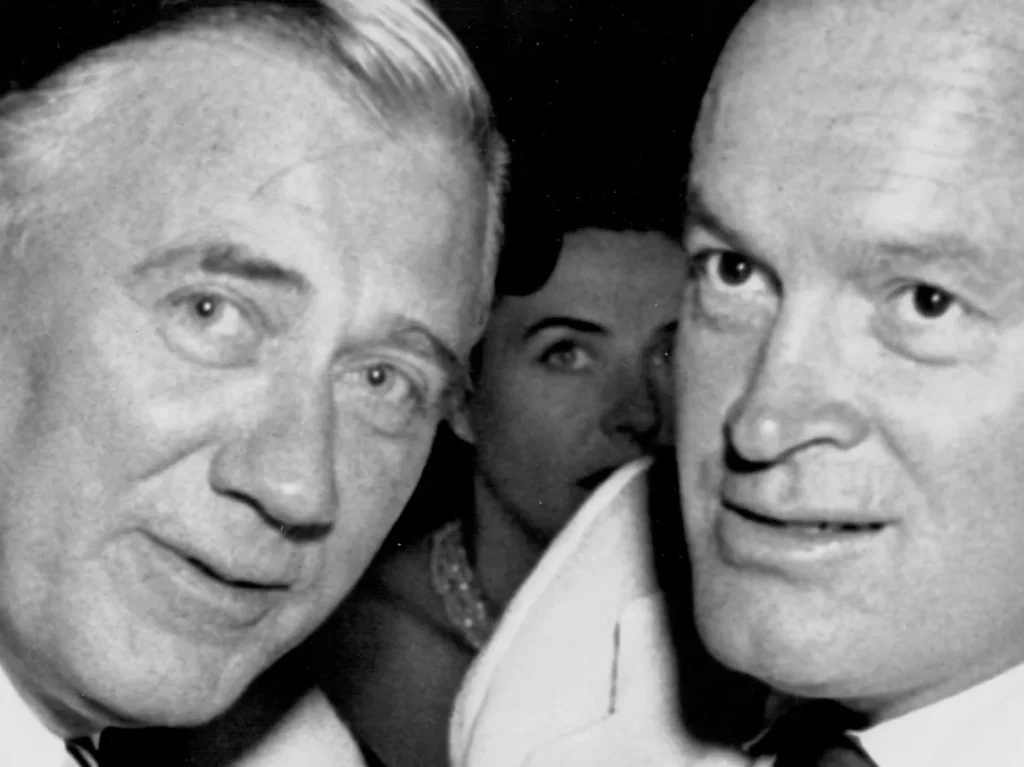
When Noele’s mother realised what was happening, she took her daughter to see Barbara Stanwyck in Back Street, the story of a betrayed mistress. It was her way of warning Noele about the consequences of becoming involved with a married man.
But Noele was already deeply in love.
“All the films in the world, and all the warnings, couldn’t have stopped me. I couldn’t help myself. I was head over heels in love.”
From then on, they spent as much time together as possible, while maintaining separate rooms wherever they travelled, whether in Britain or abroad.
Noele remembered herself as deliriously happy and believed Val felt the same.
She was also adamant that she had never used her relationship with Parnell to advance her career.
In fact, she believed the opposite was true.
“The fact that I was Val Parnell’s girlfriend actually hindered my career and worked against me.”
A Romance Kept Behind Closed Doors
To outsiders, a relationship with one of the world’s most powerful impresarios might have appeared to be an obvious route to professional success.
Noele believed it had not worked that way.
She did not suddenly find work easier to obtain, nor did her association with Parnell automatically open theatrical doors.
Their first trip abroad together was to Paris, where they stayed at the prestigious Georges V hotel — in separate suites.
They never registered at hotels as Mr and Mrs Parnell, Smith or any other shared name.
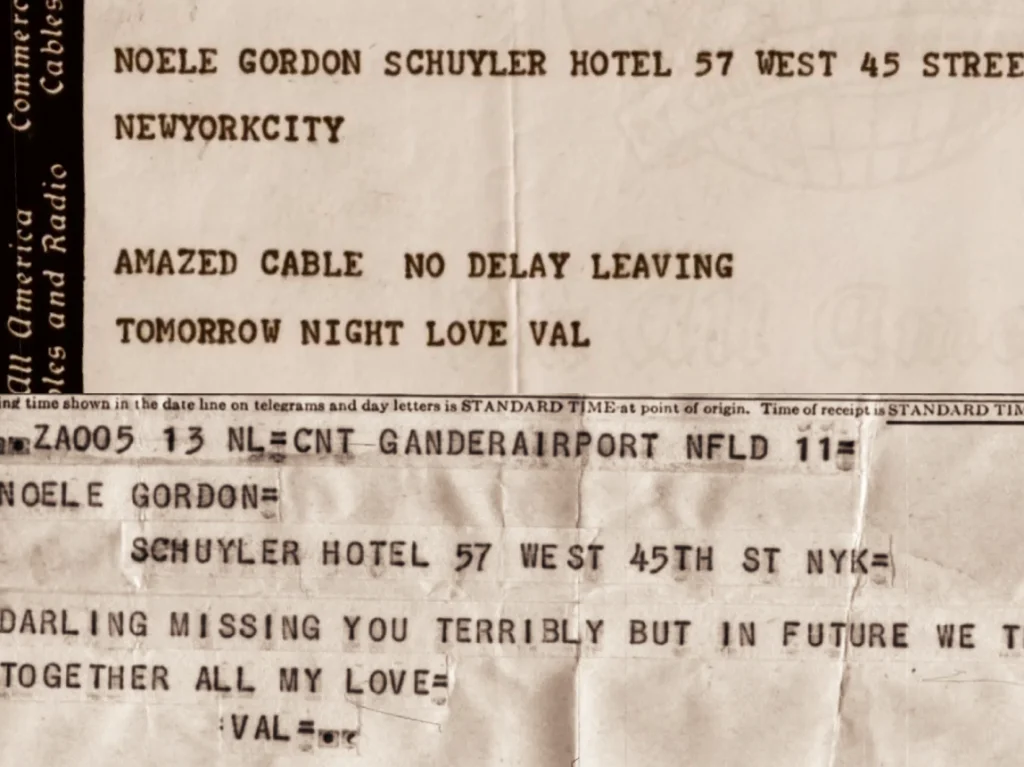
They may have been deeply in love, but Noele said they were always circumspect.
Soon afterwards they travelled to Madrid, this time accompanied by Lew Grade, on a talent-spotting expedition.
Val and Lew shared a large suite overlooking the park, while Noele stayed in her own room, as usual, for appearances’ sake.
During the trip, they attended a Spanish ballet performance. Afterwards, the leading dancer made what appeared to be a pass at Noele. An interpreter explained to Val that the dancer had complimented her blue eyes.
Val became extremely jealous, ended the meeting and led Noele away.
The Spanish ballet was never booked for London.
The End of the Great Romance
At first, Noele’s close friends assumed that her relationship with Val was merely a flirtation and would last only a few months.
Instead, the relationship deepened.
“Instead of burning itself out, our love became stronger each day.”
Even when Noele visited the labour exchange, she remembered receiving amused looks from other Equity girls who knew who her boyfriend was.
While Noele was studying commercial television in New York, Val continued writing to her. In one letter he casually mentioned that he had met a charming young singer, Aileen Cochran, and her husband Frank.
Noele paid little attention to the comment and looked forward to Val’s next visit.
By then, Val, Lew Grade and their associates had secured their commercial television franchise, while Val was busy acquiring American television programmes for British audiences.
Then came the moment that ended their relationship.
Val arrived in New York on one of his business trips and visited Noele at her studio flat at the Hotel Schuyler.
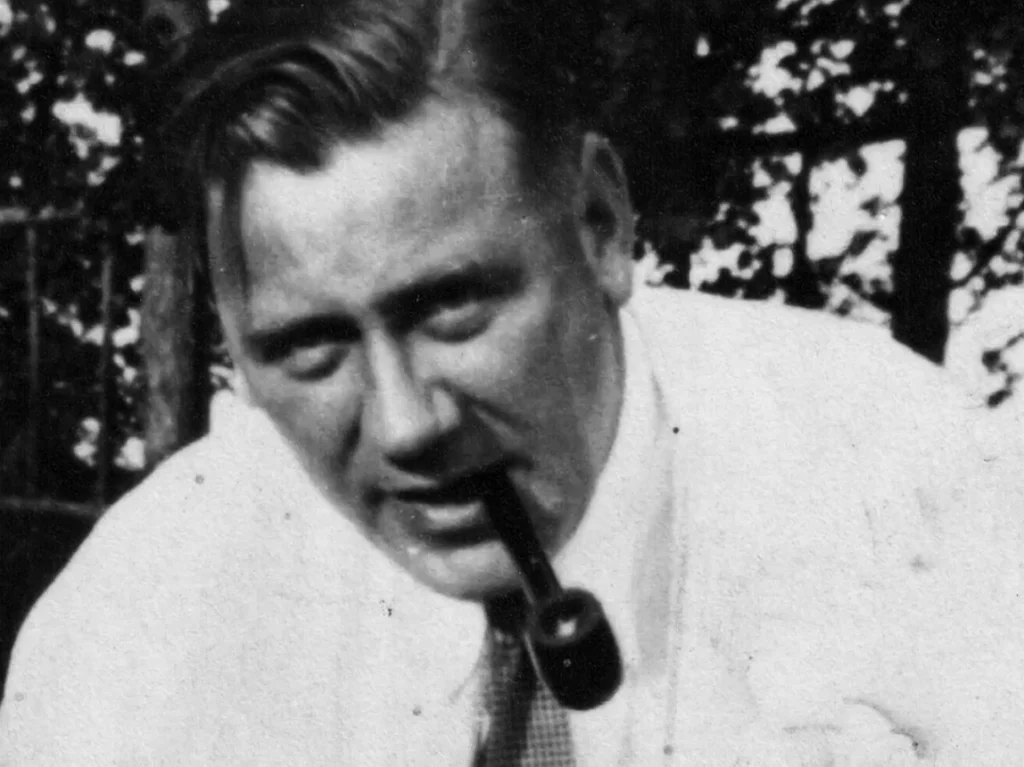
She had expected to go out to dinner. She had bought a new dress, had her hair done, worn her favourite perfume — a gift from Val from Paris — and taken particular care with her make-up.
But there was no greeting kiss.
Val sat down and told her:
“It’s all over Baby, I’m sorry. I’ve fallen in love with someone else.”
Noele later recalled that everything around her seemed to become a haze. She could hear little of what Val said afterwards. The words “It’s all over, Baby” simply repeated in her mind.
She was stunned and devastated.
Yet she decided there was nothing to be gained from shouting or pleading.
“Well, that’s that,” she said.
“I’m afraid it is,” he replied.
She remained calm until he left. Afterwards, she broke down.
The following days were, in her words, a nightmare of sorrow. She looked and felt terrible.
Two close friends, Eddie Elkort and his wife Lillian, helped her through the immediate aftermath. Eddie was the Grades’ representative in New York and had looked after Noele since her arrival. They packed her clothes and arranged for them to be sent home by sea.
Noele did what, as she put it, every girl does under such circumstances:
“I went home to my mother.”
Two Men in Her Life
The second part of this story comes from a very different source: Anthony Waters, speaking to journalist John Deighton for the Sunday Mail in 1981.
Anthony Waters on Noele Gordon
Anthony Waters described himself as one of only two men who had been significant in Noele Gordon’s life.
“There have only been two men in the life of Noele Gordon – and I was one of them.”
Waters said Noele had called him her ‘Viking’, and that she had fallen in love with him. He recalled being deeply affected when he realised her feelings.
Behind Noele’s aloof public exterior, he believed, was a warm and vulnerable woman who concealed her emotions as effectively as the accomplished actress she was.
He believed that she desperately wanted to find a partner who could become her Mr Right.
Waters identified Val Parnell as her other great love. According to his account, Noele had told him that she had lived with Val as his mistress and had wanted to marry him. Parnell had died in 1972, aged 78, the year before Waters and Noele met.
Waters and Noele entered each other’s lives at a time when, he said, they both needed companionship. They enjoyed socialising together, attending premieres and other events, and he recalled feeling like Prince Charming.
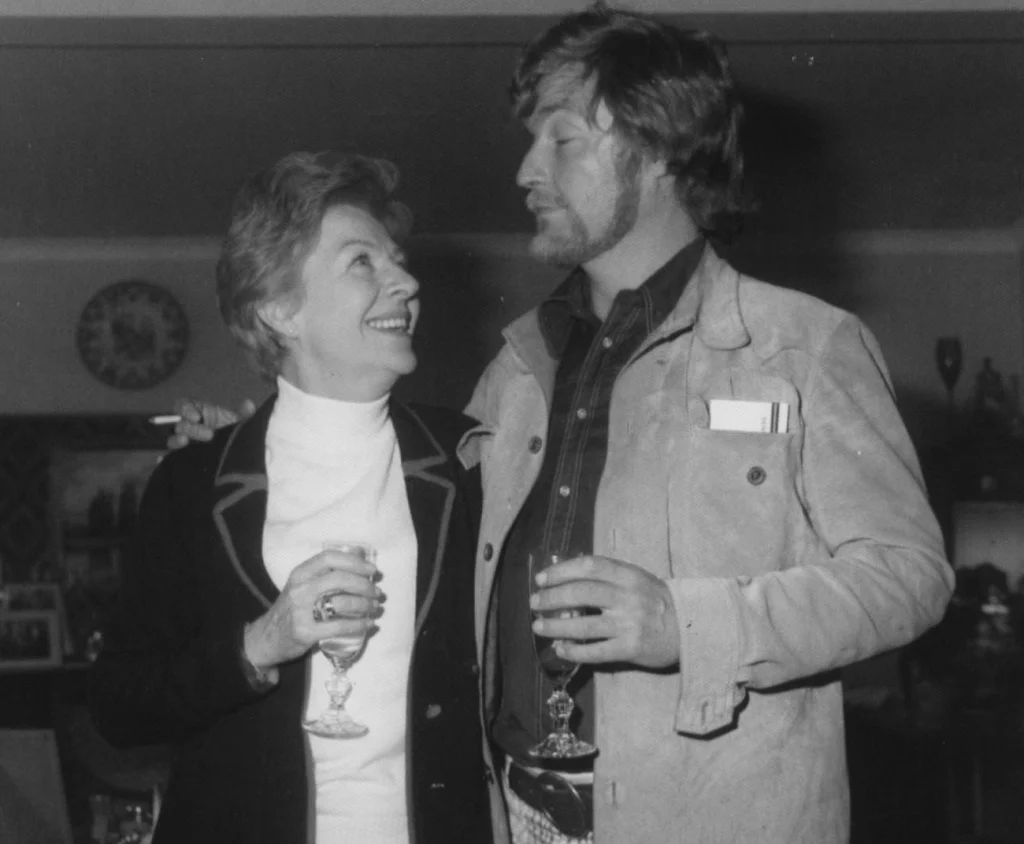
Their friendship, however, led to speculation.
Waters was only 36 when they met, and some people accused him of being a gigolo because he was regularly seen with a woman approximately 15 years older than himself. There were also rumours and suggestions that he was sleeping with Crossroads‘ Meg Richardson.
Waters firmly denied this.
“But I never slept with Nolly. We really were just very, very good friends.”
He said that Noele missed having someone to return home to, particularly following the death of her mother, to whom she had been devoted.
According to Waters, Noele once asked:
“How do I marry someone who can match up to what I do?”
He interpreted this as reflecting the difficulty of finding an ordinary man who could measure up to the demands and expectations surrounding her celebrity.
How Anthony Waters Met Noele
Waters said Noele first became aware of him when he was appearing as an amateur actor in Brigadoon with the Worcester Operatic Society.
He was asked to drive her home to Birmingham.
The two immediately got on well.
Waters described their relationship as a warm friendship and said he was surprised when he discovered that Noele had fallen in love with him. Looking back, he felt he should have been more aware of her growing feelings.
They began dating and enjoyed each other’s company. They held hands, but Waters said there was nothing passionate about their relationship from his perspective.
He was attracted to Noele’s personality and was flattered that she believed he had the ability to become a professional actor.
Noele gave him advice and recommended that he see a casting agent. After obtaining his Equity card, he secured a part in Crossroads.
Waters believed Noele was, in some respects, a frustrated wife at heart. He said she often looked after him like a mother hen, while he provided her with a presentable escort who was capable of holding a knife and fork and paying his own way.
Away from acting, Waters was successful in the wholesale fish business.
Noele had given him the nickname ‘Viking’ because, as he explained, he came from Viking stock in Wick, Shetland.
The End of Their Friendship
Waters described Crossroads as completely central to Noele’s life.
Their friendship ended following an invitation to Noele to attend Waters’ parents’ Ruby Wedding celebration.
By this time, Waters had met and fallen in love with another woman, Sue Evans, who was 27 and was soon to become his wife.
Waters believed that Noele recognised that Sue was someone special.
According to his account, Noele walked out of the party. He recalled a sense that there was a situation in which two women were in love with one man.
Noele and Anthony Waters never spoke again.
Waters said he regretted that their friendship had ended in that way and would have liked them to remain friends.
He also recognised how deeply Noele had been affected by her departure from Crossroads, which had represented 17 years of her life.
“Crossroads is Nolly’s life – totally. And, for me, her life has now been taken away.”
“To my mind Crossroads is finished too.”